

Our Phytoplankton Services
We work closely with clients to deliver accurate, decision-ready results quickly, with clear communication from project design through to final reporting.
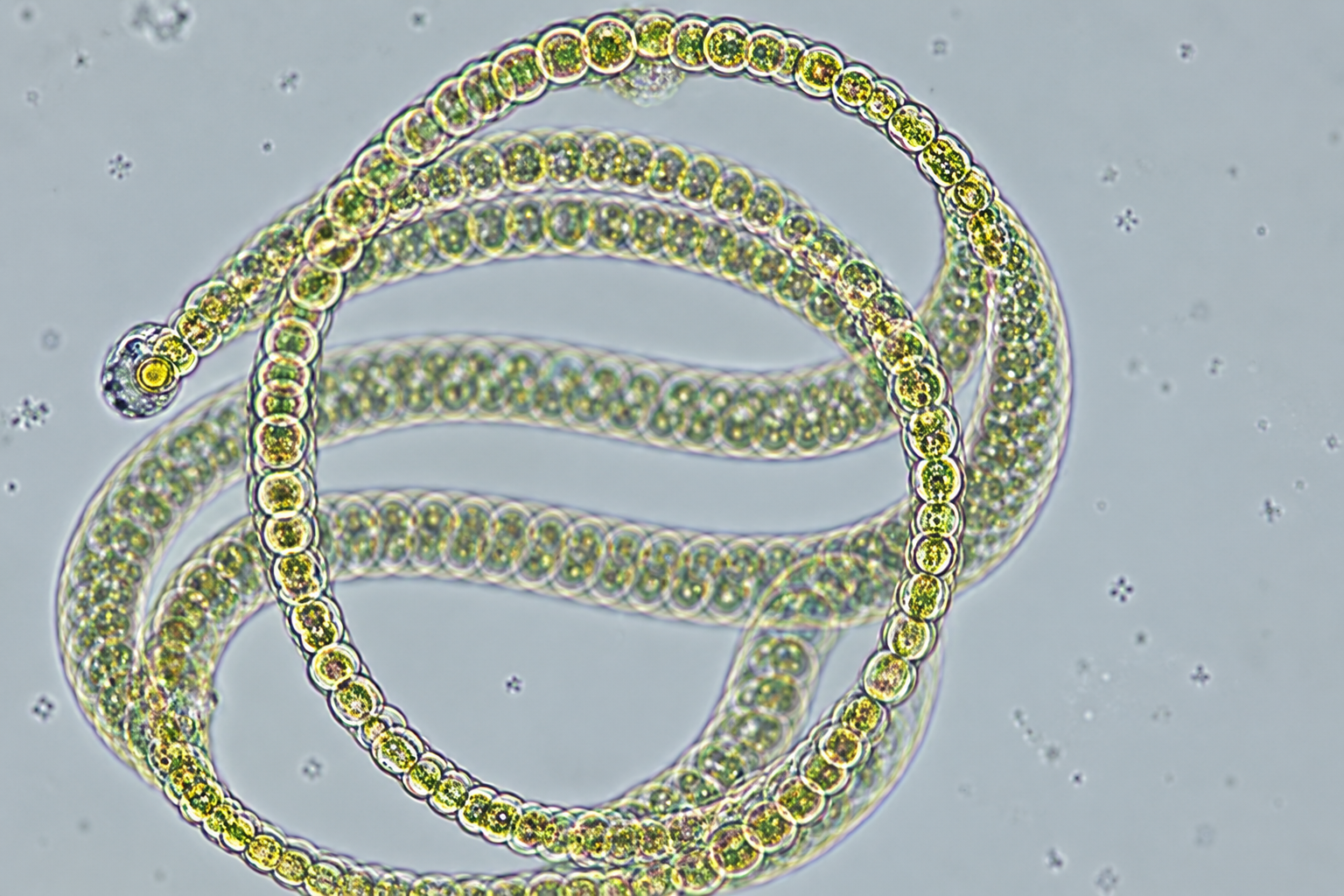
Cyanobacteria ID & Enumeration
Identification and enumeration of cyanobacteria from freshwater, estuarine and marine samples, with biovolume assessment where required.
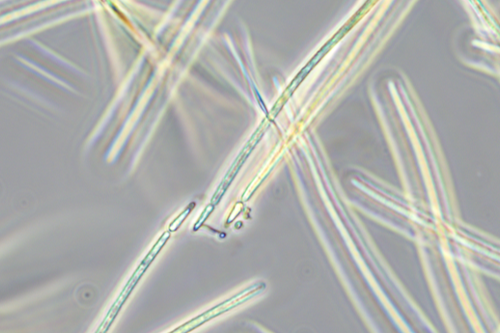
Dominant Taxa Assessment
Rapid microscopic assessment for harmful, nuisance or dominant taxa to support bloom investigations and monitoring programs.
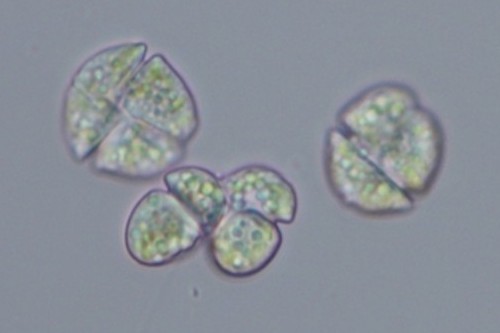
Marine ID & Enumeration
Identification and enumeration of marine samples, with presence/absence assessment of toxic species available where required.
Sampling Requirements
Good analytical results begin with appropriate sample collection and handling. Sampling methods vary by waterbody, target organisms, and monitoring program objectives, so we recommend discussing your requirements with our team before starting larger or specialised sampling programs.
sample volumes
For routine phytoplankton identification and enumeration, we recommend the following:
Freshwater samples: approximately 250 mL of unconcentrated water.
Marine samples: approximately 250 mL to 1 L of unconcentrated water (although an additional concentrated sample filtered with a 20-micron mesh can also be provided).
Sample containers
Samples should be collected in clean plastic bottles with 10–20 mm of air space left at the top of the bottle.
Ensure bottles are securely sealed and clearly labelled with the sample identification, location and collection date.
Additional information (collection time, water depth, sampling method and relevant field observations) can also be valuable when interpreting results.
Sample Preservation
Where possible, samples should be preserved using Lugol’s iodine solution.
If you need to send unpreserved (live) samples, they should reach us within 24 hours of being collected.
Please contact us before sampling if you would like advice on the procedure for preserving samples.
sample transport
All samples should be transported at or slightly below the ambient temperature of their source.
If that is not possible, samples should be transported with an ice brick so they are cool on receipt, but with NO evidence of freezing.
During transport, bottles should be securely packed, and protected from direct sunlight.